Best Pickleball Drills for Two Players
Here’s 10 Great Pickleball Drills for a 1-Hour Practice
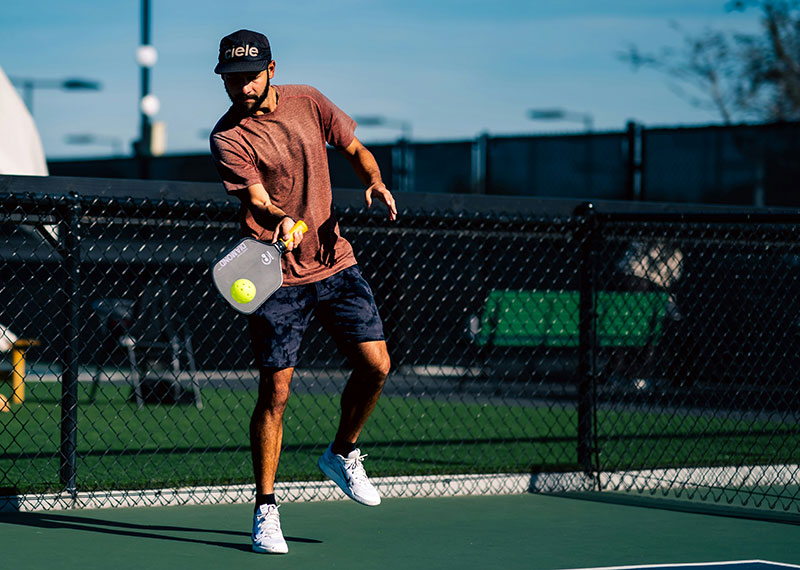
Looking to level up your pickleball game with focused, effective drills? This 60-minute training session is packed with the most popular and proven drills used by top players and coaches. Whether you’re preparing for competitive play or want to improve your footwork, shot variety, and transition skills, this plan has you covered.
Top 10 Pickleball Drills
- 7–11 Game: One player starts at the baseline while the other is at the kitchen. The net player plays aggressive shots while the baseline player tries to work their way in. This is one of the most effective and widely used competitive drills. Video: 60 second video on how to play 7-11.
- Cross-Court Aggressive Dink Battle: Begin with soft dinks and escalate into faster-paced shots. Only speed up off the volley, not off the bounce. Video: NEVER Lose Another Dink Battle With These 8 Tips
- Hand Battles Inside the Kitchen: Both players step slightly inside the NVZ line and exchange rapid volleys to develop quick hands and reaction time. Video: Win more pickleball hands battles!
- Slinky Drill: Players move forward and backward in sync while executing soft drop shots and resets. Great for footwork and control. Video: The Pickleball SLINKY: Get Maximum Benefit From the Slinky Drill
- Drives Drill: One player stands at the T, feeding forehands and backhands to the other. Focus on clean contact and directional control.
- Transition Zone Start: Begin halfway between the baseline and kitchen line. Work on moving forward while maintaining control under pressure.
- Triangle Dinking: Alternate your dinks to three target areas—left, middle, right—in a triangle pattern. Develops precision and strategic placement.
- Third-Shot Drop Drill: Feed balls from the baseline and aim for consistent, soft landings in the kitchen. Mastering this shot is key to building points.
- Fast Hands / Volley on the Move: Exchange fast-paced volleys while shifting laterally. Trains coordination, speed, and responsiveness.
- Tug-of-War Dink Endurance: A game-style dink rally where both players stay locked in and outlast one another using precision and patience.
Sample 60-Minute Pickleball Drill Schedule
| Time | Drill | Focus |
|---|---|---|
| 0–10 min | Hand Battles + Slinky | Warm-up, footwork, hands |
| 10–20 min | Drives Drill | Forehand/backhand consistency |
| 20–30 min | Transition Zone Sprint | Footwork and approach control |
| 30–40 min | Triangle Dinks | Shot variation and accuracy |
| 40–50 min | Third-Shot Drops | Soft hands and NVZ depth |
| 50–60 min | 7–11 Game | Applying pressure in game-like situations |
Pickleball Drilling Resources to Level Up Your Game
Whether you’re training solo or with a partner, these expert-recommended resources offer top-tier drills to improve your control, footwork, shot accuracy, and game strategy. Perfect for players of all levels looking to elevate their game.
Recommended Resources
- JustPaddles – A Guide to 5 Key Pickleball Drills
Covers dinks, third-shot drops, serves, and solo wall practice.
View on JustPaddles - Selkirk Labs – Advanced Drills for Pro-Level Play
Pro tips from Morgan Evans covering drops, drives, volleys, and dinks.
View on Selkirk Labs - The Pickleball Guru – Practice, Practice But How?
Creative drilling strategies for solo players and partners alike.
View on The Pickleball Guru - Let’s Go Tennis – Best Pickleball Drills for All Levels
Large collection of footwork and game-specific drills for all skill levels.
View on Let’s Go Tennis - 11 Pickles – 35 Pickleball Drills to Level Up Your Game
A mix of solo, partner, and movement drills for consistent progress.
View on 11 Pickles
Want these links in a downloadable guide or printable format? Let us know and we’ll create it!
Pro Tips and Advanced Strategy
- Stacking: Use hand signals (open palm = switch, fist = stay) to keep strong-side players in position. Used by pros like Simone Jardim and Anna Leigh Waters.
- Third-Shot Drops: Focus on trajectory and paddle angle. A drop speed of 10–16 m/s is ideal depending on spin and distance.
- Drill with Game Intensity: Always stay low, use your split step, and treat every drill like a real point.
- Partner Practice: Hitting against a wall is good, but nothing beats dynamic training with a live partner.
Ready to Train?
Commit to this 1-hour drill session once or twice a week and track your progress. Whether you’re chasing a 4.0 rating or just want to be more confident on the court, focused drilling is the fastest way to improve.
Find a Coach in Minnesota
Pickleball Lessons & Instructors – Twin Cities, Minnesota
Now grab a partner, print this page, and hit the court!
Download Pickleball Drill Session PDF
Watch these Pickleball Drill Videos for Your Next Drilling Session with Your Partner
Advanced Pickleball Dinking Techniques: Rapid Recovery
The Only 6 Pickleball Drills You’ll Need
The Best 2-Person Pickleball Drills
Top 4 Pickleball Drills To Master 4.0+ Skills
Q&A: Pickleball Drills & Practice
1. Which drills are best for beginners vs. intermediate?
Beginners should focus on mastering fundamentals:
- Paddle Familiarity & Target Hitting: Solo drills like hitting the ball up into the air or against a wall to find your sweet spot and improve consistency.
- Basic Dinking & Kitchen Drills: “Dinking for points” and “triangle dinks” help build soft touch and net control.
Intermediate players should level up with strategic drills:
- Dink‑Dink‑Bang, Fast Hands & Slinky drills: Great for footwork and transitioning from kitchen to baseline.
- Third-shot drop, groundstroke, volley & lob drills: Enhance accuracy, shot selection, and court positioning.
“Beginners need the reps… keep their swing mechanics very simple: keeping the ball in front.” – Reddit user
2. How often should you practice each drill?
A well-rounded approach:
- Drill 2–3 times weekly, integrating skill-specific practice into each session.
- Weekly breakdown example:
Monday: Kitchen-line drills
Wednesday: Midcourt resets and volleys
Friday: Baseline/transition drills including third-shot drops - Rule of thumb: Spend 3× more time drilling than playing games to improve faster.
3. What equipment do you need?
- A good paddle suited to your grip and playing style
- Pickleballs (indoor or outdoor)
- Proper court shoes with lateral support
- Comfortable athletic wear
- Optional: cones, targets, rebound wall for solo drills
4. How can partner drills improve doubles play?
- Sync & Communication: Drills like kitchen-line dinks and footwork build rhythm and timing.
- Situational Practice: Games like “work-up drill” and “skinny singles” simulate real doubles play.
- Strategic Positioning: Practice reinforces court awareness, non-verbal cues, and net play.
- Muscle Memory: Repetition leads to faster, instinctive responses in match conditions.
Summary at a Glance
| Question | Beginner Focus | Intermediate Focus |
|---|---|---|
| Best drills | Paddle control, wall targets, basic dinking | Dink‑Dink‑Bang, Slinky, 3rd‑shot drop, volleys |
| Practice frequency | 2–3 drill sessions/week; mix solo & partner | Same rhythm with advanced footwork and shot drills |
| Equipment | Paddle, balls, shoes, basic targets | Same gear + optional cones/drills tools |
| Partner benefits | Foundation in teamwork, timing | Enhanced doubles tactics, net play & coordination |