America is hooked on pickleball. What started as a quirky backyard game is now the fastest-growing sport in the U.S., with over 36 million people swinging paddles and chasing whiffle balls like their lives depend on it. But while pickleball is winning hearts, it’s losing neighbors—especially the ones who live near a court and now think they’re trapped inside a popcorn machine.
What’s All the Racket About?
Ask any pickleball player and they’ll say it’s just a friendly pop. Ask their neighbor, and it’s a daily sonic assault. The sharp, repetitive sound of ball-on-paddle has turned America’s cul-de-sacs into battlegrounds. Think Hatfields vs. McCoys, but with knee braces and sunscreen.
According to USA Pickleball, court construction is booming in parks, rec centers, and even church parking lots. But with that growth comes a rise in lawsuits, noise complaints, and neighborhood feuds worthy of a Netflix docuseries.
The Top 5 Pickleball Complaints Echoing Nationwide
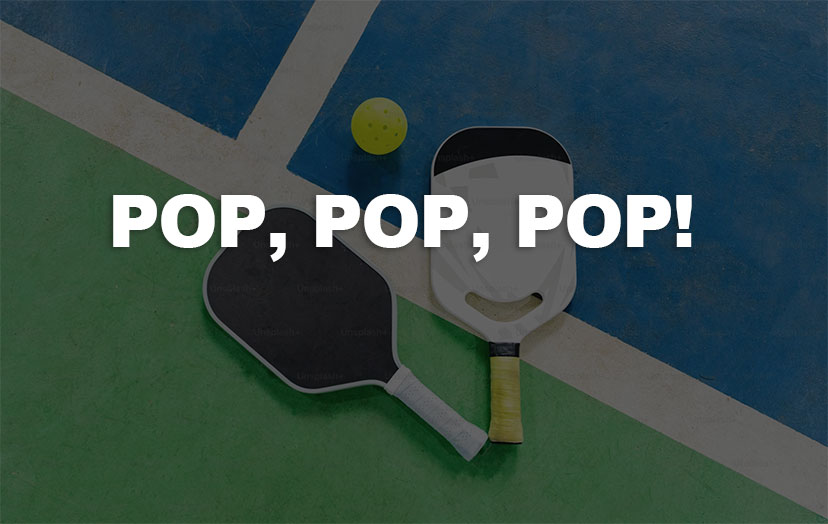
Noise, noise, and more noise. The sound of a plastic ball hitting a hard paddle—about 70-80 decibels—is louder and sharper than tennis. “It’s like someone smacking a ping-pong ball against my skull for three hours,” said one Miami resident. (We’re pretty sure they meant it metaphorically… hopefully.)
Overcrowded Parks
Traditional tennis and basketball players are miffed. Courts are being converted into pickleball-only zones, leading to what some call “court gentrification.” In cities like Austin and San Diego, petitions have sprung up faster than dinks over the net.
Parking and Traffic
Pickleball’s boom means more bodies—and cars—at local parks. In some places, residential streets are flooded with players double-parked and decked out in matching visors.
Turf Wars
With courts popping up on converted tennis courts, behind schools, even inside church gyms, locals argue the sport is invading spaces never meant for it. In Colorado, one neighborhood installed fencing and signs to block rogue pop-up games on a public greenbelt.
Unwelcome Vibes
Some communities say the sport has brought more noise but less neighborliness. “It used to be joggers and kids,” said a Seattle resident. “Now it’s competitive couples who yell ‘SCORE!’ louder than my alarm clock.”
Solutions in the Works
Cities like Boulder, Portland, and Scottsdale are testing “quiet paddles,” sound barriers, and scheduling restrictions to tame the racket. Some HOAs have banned the game entirely. Others are trying diplomacy—offering pickleball hours and zoning rules to give peace a chance.
Meanwhile, the Paddle Party Grows
Despite complaints, pickleball isn’t slowing down. Pros are making real money, national tournaments are selling out, and Netflix even has a docuseries in the works. Whether you love it, hate it, or just want to understand why your backyard now echoes like a construction zone, one thing’s for sure: pickleball is here to stay.